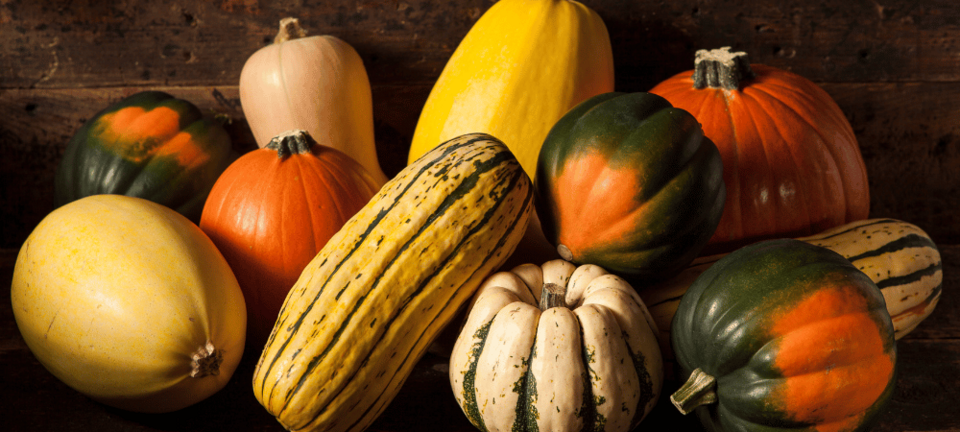
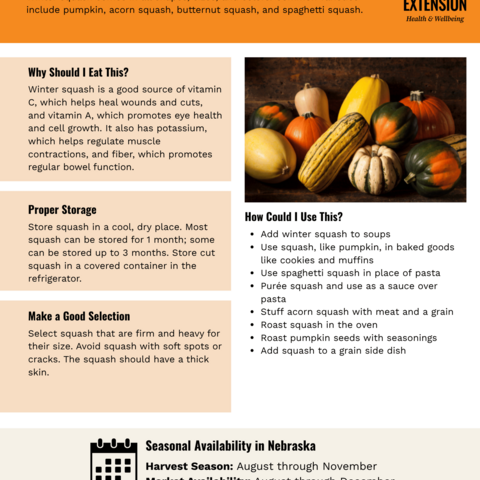
Winter squash comes in all shapes, sizes, and colors. Common varieties include pumpkin, acorn squash, butternut squash, and spaghetti squash.
Why Should I Eat This?
Winter squash is a good source of vitamin C, which helps heal wounds and cuts, and vitamin A, which promotes eye health and cell growth. It also has potassium, which helps regulate muscle contractions, and fiber, which promotes regular bowel function.
Make a Good Selection
Select squash that are firm and heavy for their size. Avoid squash with soft spots or cracks. The squash should have a thick skin.
Proper Storage
Store squash in a cool, dry place. Most squash can be stored for one month; some can be stored up to three months. Store cut squash in a covered container in the refrigerator.
How Could I Use This?
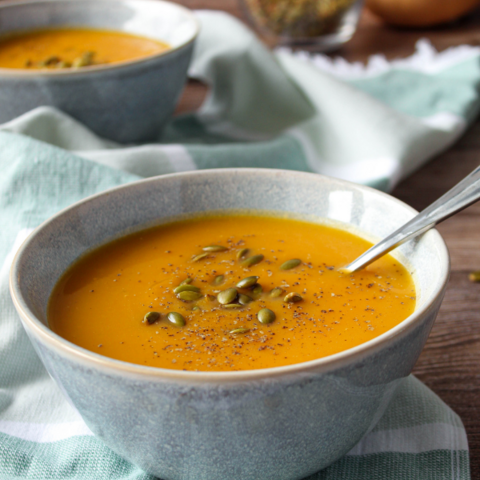
- Add winter squash to soups
- Use squash like pumpkin in baked goods like cookies and muffins
- Use spaghetti squash in place of pasta
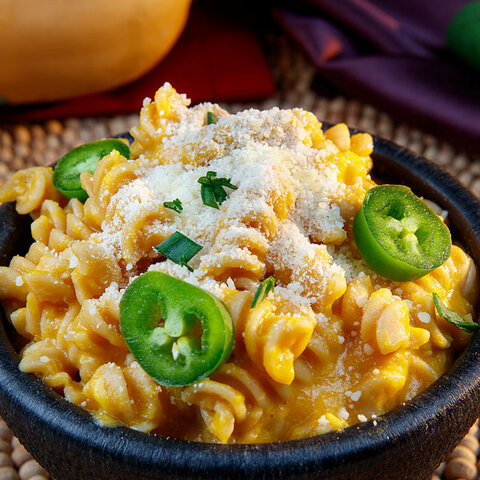
- Purée squash and use as a sauce over pasta
- Stuff acorn squash with meat and a grain
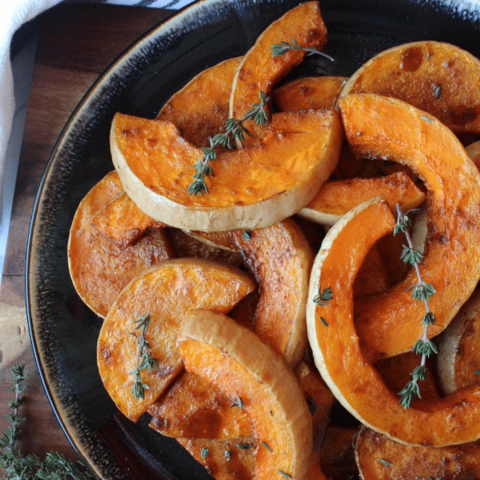
- Roast squash in the oven
- Steam squash and serve as a side dish
- Add squash to a grain side dish
- Serve cooked squash on top of a salad
- Roast pumpkin seeds with seasonings
Seasonal Availability in Nebraska
Harvest Season: August through November
Market Availability: August through December
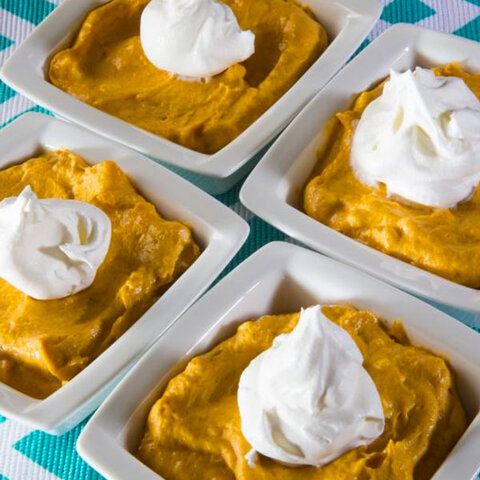
Featured Recipes
Download Handouts

Source:
- Seasonal Produce Guide - Winter Squash, SNAP-Ed Connection
- Nebraska Harvest Schedule, Buy Fresh Buy Local Nebraska