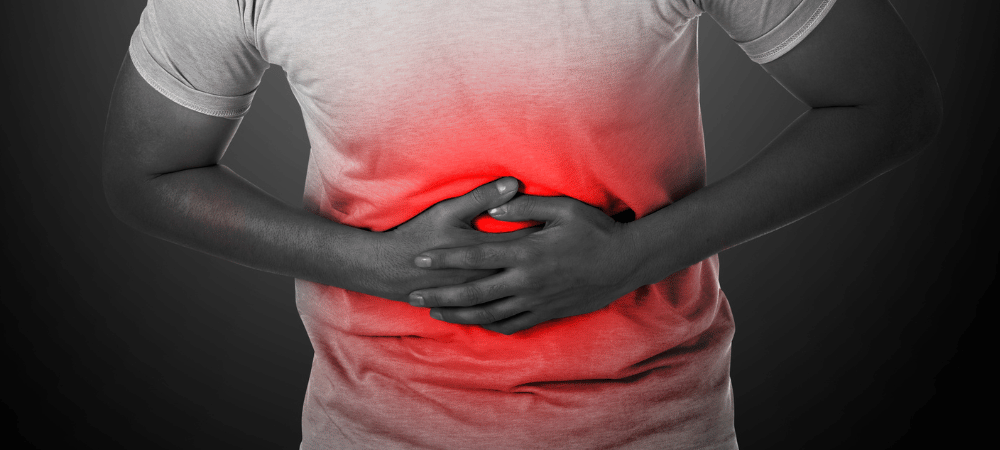
Did you know that 1 in 6 Americans get sick from food poisoning? Food poisoning also known as foodborne illness, foodborne disease, or foodborne infection occurs after a person swallows food that has been contaminated with a variety of germs or toxic substances.
Learn how to help prevent food poisoning, who is more likely to get sick, how to recognize the symptoms, and what causes food poisoning.
4 Steps to Help Prevent Food Poisoning
- Clean. Wash your hands and work surfaces before, during, and after preparing food. Germs can survive in many places around your kitchen, including your hands, utensils, cutting boards, and countertops.
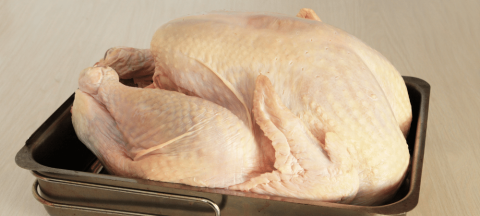
- Separate. Separate raw meat, poultry, seafood, and eggs from ready-to-eat foods such as fresh produce. Use separate cutting boards and keep raw meat away from other foods in your shopping cart and refrigerator.
- Cook. Cook food to the right internal temperature to kill harmful bacteria. Use a food thermometer to check.
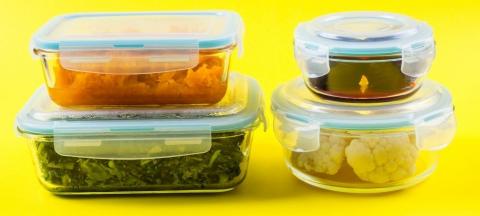
- Chill. Keep your refrigerator 40°F or below. Refrigerate perishable food and leftovers within 2 hours of cooking (or within 1 hour if food is exposed to a temperature above 90°F, like in a hot car).
People at Risk of Food Poisoning
 Adults aged 65 and older
 Children younger than age 5
 People whose immune systems are weakened by health conditions or medicine
 Pregnant women
Anyone can get food poisoning, but some people are at a higher risk of getting sick and have a more serious illness. They are not able to fight germs and sickness due to their immune systems not being as strong. If you are more likely to get food poisoning, do not eat the following foods:
- Undercooked or raw animal products such as meat, chicken, turkey, eggs, and seafood
- Raw or lightly cooked sprouts
- Unpasteurized (raw) milk and juices
- Soft cheese, such as queso fresco, unless it is made with pasteurized milk
Food Poisoning Symptoms
Symptoms may vary depending on the germ you swallowed, but the most common symptoms of food poisoning are:
- Diarrhea
- Stomach pain or cramps
- Nausea
- Vomiting
- Fever
Symptoms may be mild or severe. They can last for a few hours or several days. Remember to drink plenty of fluids to prevent dehydration if you are experiencing diarrhea or vomiting.
When to See A Doctor
The following symptoms could be signs of serious food poisoning. See a doctor if you have any of these symptoms:
- High fever (over 102°F)
- Bloody diarrhea
- Diarrhea for more than 3 days
- Frequent vomiting
- Dehydration (dry mouth and throat, feeling dizzy when you stand up)
Causes of Food Poisoning
A variety of germs and toxic substances that cause food poisoning include:
- Bacteria and Viruses: The most common cause of food poisoning is bacteria and viruses. The bacteria or virus found in the food will determine the symptoms and severity of food poisoning. Campylobacter, Clostridium perfringens, E. coli, Listeria, Norovirus, and Salmonella are the most common that cause illnesses, hospitalizations, or deaths in the United States.
- Parasites: The most common foodborne parasites in the United States are protozoa, roundworms, and tapeworms. Parasites are organisms that derive nourishment and protection from other living organisms known as hosts.
- Molds, Toxins, and Contaminants: Natural toxins or added chemical toxins can cause food poisoning. Some examples of toxins include shellfish and some varieties of wild mushrooms.
Learn more about some foods that can cause food poisoning more often than others.
Sources:
Safer Food Choices, Centers for Disease Control and Prevention
Food Poisoning, U.S Department of Health & Human Services
Bad Bud Book (Second Edition), U.S. Food & Drug Administration
Feedback Form
Feedback Form
If you do not see the article, please scroll up the page.