Navigation
Email a Friend | Sign-up for Free Cook it Quick! NewsletterCook It Quick - Making you hungry for healthy food!Food FAQs and AdviceGeneral Cooking
Fruits and Nuts
How to be Creative with Substitutions, Reductions or What's Available
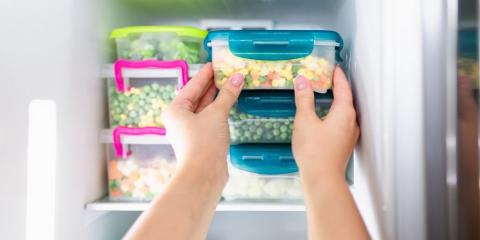
Freeze these Foods for Convenience | FeaturesCurrently featuring ... (Updated May 4, 2012)
|
Give Flavors Time to BlendAlice Henneman, MS, RD, UNL Extension in Lancaster County We sometimes short-change ourselves of the full-flavor of foods because we're in such a hurry to get them to the table. Enhance the taste (and save yourself some last minute-preparation time!) of some foods by preparing them at least a half hour before serving. This gives the flavors time to blend. This tip works well for foods served cold, such as many fruit and pasta salads, potato salad, etc. Keep them chilled in the refrigerator.
The Family is Home and They're Hungry!Alice Henneman, MS, RD, UNL Extension in Lancaster County
Help your family dine healthy when they're hungry and want to eat with these tactics:
CIQ Comments:Score points with your hungry family with mealtime maneuvers! Related CIQ Articles:
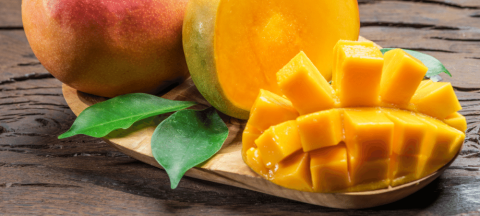
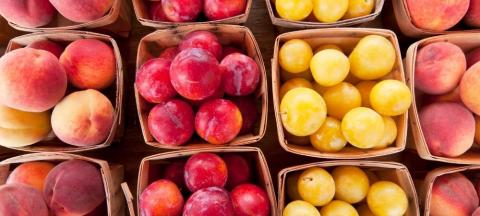
How Can I Keep Cut Fruit from Turning Brown?Alice Henneman, MS, RD, UNL Extension in Lancaster County Keep cut fruits, such as apples, pears, bananas and peaches, from turning brown by coating them with an acidic juice such as lemon, orange or pineapple juice. Or use a commercial anti-darkening preparation with fruits, such as Ever-Fresh (TM) or Fruit-Fresh (R), and follow the manufacturer's directions. Cut fruits as close to serving time as possible. Cover and refrigerate cut fruit until ready to serve. Avoid leaving cut fruit at room temperature for more than two hours. Which Fruits Will Continue to Ripen After They're Picked?Alice Henneman, MS, RD, UNL Extension in Lancaster County Apricots, bananas, cantaloupe, kiwi, nectarines, peaches, pears, plantains and plums continue to ripen after they're picked. Fruits you should pick or buy ripe and ready-to-eat include: apples, cherries, grapefruit, grapes, oranges, pineapple, strawberries, tangerines and watermelon. To speed up the ripening of fruits such as peaches, pears, and plums, put them in a ripening bowl or in a loosely closed brown paper bag at room temperature. Plastic bags don’t work for ripening. Peeling and Slicing a MangoAlice Henneman, MS, RD, UNL Extension in Lancaster County If you find yourself trying to tango with a mango, try this method, adapted from information provided by the CDC Fruits and Veggies Matter Program. 1. Wash the mango. Cut the mango in half lengthwise by slicing off each fleshy cheek of the mango vertically along the FLAT side of the center seed. 2. Hold one mango half peel side down and score the fruit down to the peel (but not through it) in a tic-tac-toe fashion. 3. Hold the scored portion with both hands and bend the peel backward so that the diamond cut cubes are exposed. 4. Cut cubes off peel, then remove any remaining fruit clinging to the seed. Choosing the Best Apple for Your RecipeAlice Henneman, MS, RD, UNL Extension in Lancaster County "An apple a day may keep the doctor away" is proving true, based on current research. Apples help in:

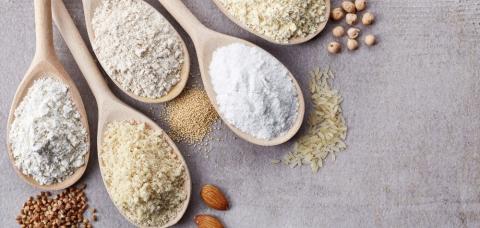
There are more than 2,500 varieties of apples grown in the United States, with each variety having its own unique flavor and best uses. For pictures and suggested uses of the many apples, check these links: USA Apple Association Storing applesProperly-refrigerated apples can have a shelf life of 90 days or more according to the U.S. Apple Association. For best quality, store apples in a ventilated plastic bag (or plastic bag in which you've made several small holes) in the crisper section of the refrigerator. Check often and remove any apples that have begun to decay -- or, as the phrase goes, "One bad apple spoils the whole bunch." Store apples and other fruits in a separate refrigerator crisper drawer from vegetables. Fruits give off ethylene gas that can shorten the storage life of vegetables. Some vegetables give off odors that can be absorbed by fruits and affect their quality. Store fruits and vegetables unwashed to lengthen their storage life and maintain quality. Wash at the time of using. Handling cut applesKeep cut fruits, such as apples, pears, bananas and peaches, from turning brown by coating them with an acidic juice such as lemon, orange or pineapple juice. Or use a commercial anti-darkening preparation with fruits, such as Ever-Fresh™ or Fruit-Fresh®, and follow the manufacturer's directions. Cut apples as close to serving time as possible. Cover and refrigerate them until ready to serve. Refrigerate peeled/cut fruits and vegetables so the TOTAL time they're at room temperature is less than 2 hours. Can I Substitute "All-purpose" Flour for "Cake Flour"?Alice Henneman, MS, RD, UNL Extension in Lancaster County Cake flour contains less gluten than all-purpose flour and produces a more tender texture. Though results won't be the same, in an emergency, you can substitute 7/8 cup of all-purpose flour for 1 cup of cake flour. Substituting Whole Wheat Flour for White All-purpose Flour in a RecipeAlice Henneman, MS, RD, UNL Extension in Lancaster County For each cup of white all-purpose flour, you can often substitute 1/2 cup of whole wheat flour plus 1/2 cup of all-purpose flour. Substituting equal amounts of whole wheat flour for all-purpose flour doesn't work as well. The resulting product is likely to have less volume and a coarser texture. Substituting Oil for a Solid ShorteningAlice Henneman, MS, RD, UNL Extension in Lancaster County There is no standard procedure to substitute oil for a solid shortening in baked products. While oil is 100% fat – butter, margarine and other solid shortenings are lower in fat on a volume for volume basis. Also, solid shortening helps incorporate air into the batter when it is whipped with other ingredients such as sugar and eggs. This procedure is often referred to in a recipe as "creaming." If you try to cream ingredients with oil, your baked product is likely to be more compact and oily in texture. Your best bet is to check with the companies that make oil – most have toll-free numbers or addresses that you can contact for more information and recipes. Also, check your cookbooks, the library and the Internet for recipes that use oil. Fixing Up Food FlopsAlice Henneman, MS, RD, UNL Extension in Lancaster County Situation 1. Gravy: First, check your gravy recipe. Most successful gravy recipes include these general steps: 1. Separate the fat from the pan juices. 2. Then, stir or whisk the flour with the required amount of fat in your pan until smooth. 3. Finally, slowly add the meat or poultry juices, whisking or stirring to prevent lumps. Simmer until the gravy is thickened to the desired consistency, about 5 minutes. If you can't beat away lumps with a wire whisk, it's time to bring out the heavy artillery. Before serving, strain your gravy through a fine-mesh sieve. As a back-up, keep a commercial gravy mix in reserve. NOTE: A strainer also works great as a last means of attack on a lumpy white sauce! Situation 2. Gelatin: To keep your fruit in place, chill gelatin until it's about the consistency of raw egg white before adding fruit. This takes about 1 to 1 1/2 hours in your refrigerator. If you're in a hurry, set the bowl in ice water and stir as it starts to thicken. What if your gelatin sets before you got the fruit added? Not to worry . . . simply melt it again and start over. If it's too late and your company's almost at the door, it's time to get creative. If the fruit is floating on top, call it "Layered Salad" and pretend you planned it that way! Or, serve it in individual dishes, topped by yogurt or whipped cream. Another option is to layer it with these ingredients in parfait glasses. CIQ Comments:The next time you have a food flop, think: F = Fix it L = Live with it O = Or P = Pretend you planned it that way!
Can You Freeze These Foods?Alice Henneman, MS, RD, UNL Extension in Lancaster County Can you Freeze Fresh meats in Supermarket Wrappings? Unless you'll use the frozen meat or poultry in a month or two, the U.S. Department of Agriculture recommends that you add a second wrapping for long-term storage. Overwrap with airtight heavy-duty freezer foil, freezer paper or place the package inside a freezer bag. While it's safe to freeze fresh meat or poultry in its supermarket wrapping, this type of wrap is permeable to air. Overwrapping the package helps maintain quality and prevent "freezer burn." Foods with freezer burn are safe to eat though they may be in dry in spots. Freezer burn causes grayish-brown leathery spots because air reaches the surface of the food. Cut freezer-burned portions away either before or after cooking. Discard heavily freezer-burned foods for quality reasons.
While pasteurized milk can be frozen; it may separate or be slightly grainy when thawed. Frozen milk works best for cooking, but you may find it's still okay for drinking. Freeze milk in plastic freezer containers or special freezer-proof glass jars. Leave some extra space at the top since milk expands during freezing. If packaged in a wide-mouth container, leave 1/2-inch head space for pints and 1-inch for quarts. If packaged in a narrow-mouth container (such as jars), leave 1 1/2-inch head space for either pints or quarts. Plan to use frozen milk within a month. Thaw milk in the refrigerator. Stir well before using.
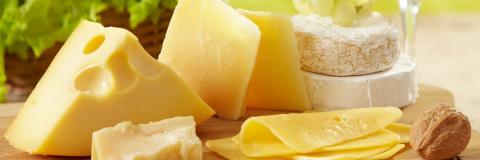
Hard or semi-hard cheese can be frozen if cut in 1/2 to 1-pound blocks. Wrap in plastic wrap and then put in freezer bags. After freezing, cheese may become crumbly and mealy, but, it will retain its flavor. It works best for cooking. Plan to use frozen cheese within 4 to 6 months. Thaw cheese in the refrigerator. Use soon after thawing. The cheeses that freeze best are:
Blue cheeses are more prone to becoming crumbly but they'll still taste good. Cream cheese and cottage cheese do not freeze well
| |